
Fancy Gym, Borrowed Courts: Why High-End Athletic Clubs Are Getting Pickleball Wrong
The Short Version
- Midtown Athletic Club in Rochester has functional pickleball courts — usable, clean, maintained — but every signal in the space says pickleball came second: portable nets, no dedicated equipment stations, no community programming.
- The tennis-first history of upscale clubs is baked into their architecture and scheduling philosophy, and that legacy doesn't automatically reset just because pickleball is now the fastest-growing sport in the country.
- Belonging isn't built through amenities — a rec center with decent courts and a coordinator who loves the game will often outlast a fancy gym with beautiful floors and zero community investment.
- Pickleball players skew strongly toward the 35–65 demographic — active adults with disposable income and long membership horizons — which means treating them as an afterthought isn't just a community miss, it's a financial one.
- The courts already exist, the players are already showing up, and the resources are there — the only missing ingredient at clubs like Midtown is the decision to fully commit rather than merely accommodate.
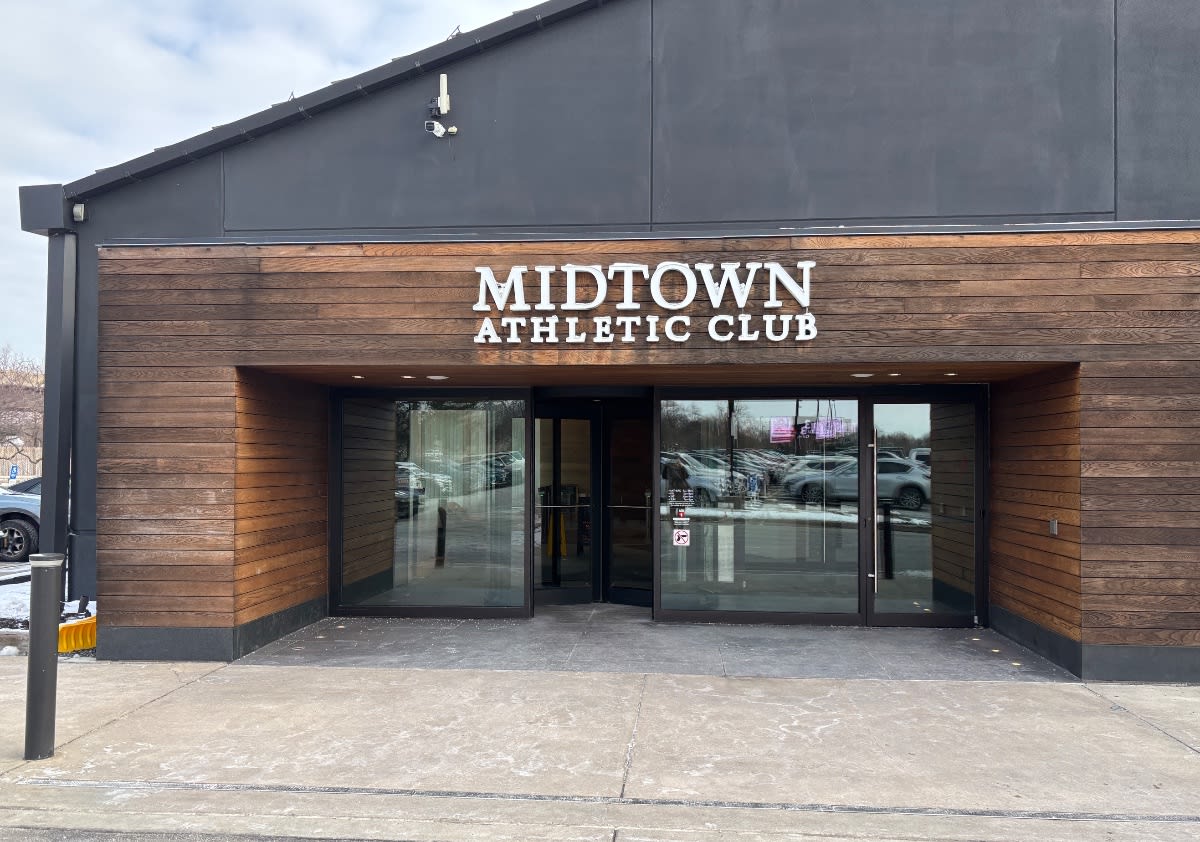
I'll be honest — when I pulled into the Midtown Athletic Club parking lot in Rochester, NY, I was genuinely excited. I'd heard there were pickleball courts inside, and the facility had a reputation for being one of the nicer athletic clubs in the area. What I found was a textbook case of fancy gym, borrowed courts — and it got me thinking hard about whether premium health clubs are actually serving the pickleball community, or just tolerating it. That's a question worth asking carefully, because the answer says a lot about what we value and who we're willing to truly welcome.
First Impressions: When a Premium Facility Promises More Than It Delivers
First Impressions: When a Premium Facility Promises More Than It Delivers
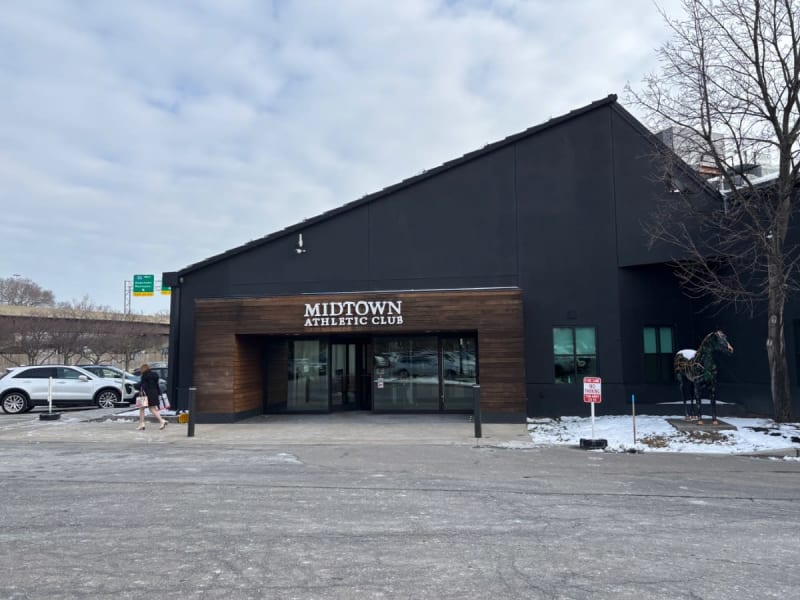
The exterior of Midtown Athletic Club makes a statement. Dark barn-style facade, warm wood cladding, glass entry doors that catch the light just right — this is a facility that clearly had a serious budget and a clear vision for its brand. Walking in, you're greeted by the kind of polished signage and upscale finishes that signal we thought about this. Fitness equipment is gleaming. The lobby feels intentional.
Which is exactly why the contrast hits so hard when you make your way to the pickleball courts.
This isn't about bitterness — I genuinely don't want to tear down a facility that's doing a lot of things well. The more interesting question is one of possibility: what could a club this well-resourced actually do for the pickleball community if it decided to fully commit? The infrastructure is there. The membership base is there. The floor space is there. A premium athletic club pickleball experience worth talking about isn't a fantasy at a place like this — it's a choice.
A lot of you reading this have had the same moment. You walk into a gym with real potential, you see the signs for pickleball, and somewhere between the front desk and the courts, that initial excitement quietly deflates into wait, this is it? You're not wrong for feeling that. And you're not alone.
Tennis Is Still King: Understanding the Court Hierarchy at Upscale Clubs
Tennis Is Still King: Understanding the Court Hierarchy at Upscale Clubs
To understand what you're walking into at most upscale athletic clubs, it helps to understand the history. Tennis has been the prestige sport at private clubs for decades — it's baked into the architecture, the scheduling philosophy, and frankly, the identity of these spaces. The courts were built for tennis. The programming was built for tennis. The staff were hired with tennis in mind. That legacy doesn't disappear just because pickleball is now the fastest-growing sport in the country.
And it is growing fast. USA Pickleball and the Sports & Fitness Industry Association have tracked the sport's participation numbers climb into the tens of millions of players in the United States, with consistent double-digit growth year over year throughout the early 2020s. The demand is undeniable. The question is whether facilities are responding to that demand with genuine investment or with the athletic-club equivalent of a shrug.
Tennis court conversion pickleball is the most common answer — and to be fair, it's a legitimate one. Rolling portable nets onto a painted tennis surface, laying down pickleball lines, and opening it up to players is a reasonable starting point. Four pickleball courts can fit on two standard tennis courts, so the math works. But the feel is different. The court dimensions are technically correct, but the surrounding space — designed for tennis sightlines, tennis movement, tennis culture — doesn't automatically become a pickleball home just because the lines changed.
Here's the gift hiding inside this situation, though: the courts exist. The space exists. The players are showing up. That's not nothing — that's actually most of what you need. What's missing isn't infrastructure. What's missing is commitment.
What I Actually Saw on the Courts Inside
What I Actually Saw on the Courts Inside
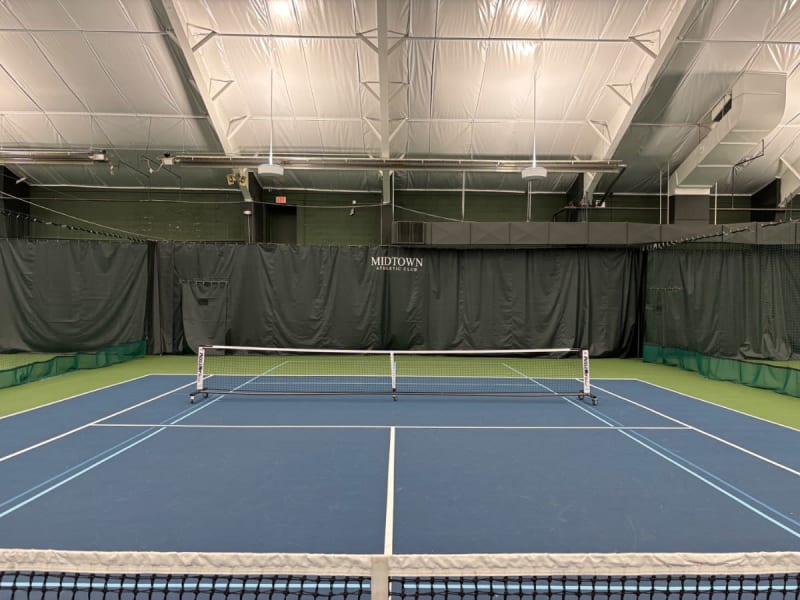
The indoor pickleball court setup at Midtown Athletic Club is, in photographic terms, perfectly fine. Blue hard-court surface. Pickleball lines painted clearly. Green perimeter bumpers running the baselines and sidelines. Dark curtain dividers separating the courts. The Midtown Athletic Club branding printed on the back curtain. The lighting is functional. The surface looks clean and maintained. Nobody is playing on a cracked floor or squinting through bad fluorescents.
So let me give credit where it's due — the space is usable, and for a casual drop-in player, it probably does the job.
But there are signals everywhere that pickleball came second. The nets are portable, mounted on wheeled bases rather than anchored to permanent posts. There are no dedicated pickleball equipment stations — no paddle holders, no ball bins, no posted rule sheets for new players. There's no signage that says pickleball lives here. The courts read, visually and functionally, as repurposed space rather than designed space. Compare that to a purpose-built pickleball facility — permanent net posts set at regulation height, courts spaced with enough room between them to avoid interference, acoustic panels or ceiling treatments that manage the distinctive pop of the game — and the difference is more than cosmetic. It's the difference between a sport that belongs somewhere and a sport that's been accommodated.
Is this setup enough for casual players who want to knock around on a Tuesday morning? Probably yes. For anyone who plays regularly, wants to run drills, join a league, or develop real skills in a consistent environment? That's where the conversation gets more interesting — and more honest.
Are Serious Pickleball Players Better Off Elsewhere in Rochester?

Are Serious Pickleball Players Better Off Elsewhere in Rochester?
Rochester has more going on for pickleball than a single upscale club, and that matters. The alternative landscape — dedicated pickleball venues, community recreation centers that have leaned into the sport with intention — tells a different story about what's possible when a space decides pickleball players are the primary audience, not a secondary use case.
When I talk about "serious" players here, I'm not only talking about tournament competitors. I mean anyone who wants consistent court time without competing for schedule space with tennis leagues. Anyone who wants permanent nets that don't wobble. Anyone who wants to walk in and immediately feel like they belong to a community, not just a membership tier. Rochester NY pickleball facilities run a wide spectrum, and the places that seem to generate the most loyalty are the ones where players feel genuinely centered — where the programming was designed for them, not retrofitted around them.
There's real research backing that intuition up. Studies on community sports participation consistently find that people stick with a sport longer and report higher satisfaction when they play in spaces that feel built around their community. It makes sense. We're social animals. We show up more when we feel wanted.
That's the Peter Block truth of this section: belonging isn't built through amenities. It's built in spaces where you're the reason the space exists. A rec center with decent courts and a coordinator who loves pickleball will often outlast a fancy gym with beautiful floors and zero community investment — because one of them is speaking directly to you.
So I'll genuinely ask: if you're playing pickleball in Rochester, where do you actually feel most at home on the court? I'd love to know.
What High-End Clubs Could Do If They Took Pickleball Seriously

What High-End Clubs Could Do If They Took Pickleball Seriously
Here's where I want to shift gears entirely — because this isn't a piece about what's broken. It's about what's possible.
Premium clubs that take pickleball programming at gyms seriously have a genuinely compelling opportunity in front of them. And the pathway is clearer than they might think. Permanent courts — or at minimum, permanent net posts that remove the portable-net wobble problem — signal immediately that the sport has a real home here. Dedicated programming means clinics for beginners, drilling sessions for intermediate players, leagues for regulars, and staff who actually play and love the game. It means someone on the team can answer a question about the kitchen rule without Googling it.
Nationally, there's an emerging pattern of clubs that have made this pivot and seen real returns — not just in pickleball-specific revenue, but in overall member retention and satisfaction. When a club builds a genuine pickleball community, it creates a social ecosystem. Players recruit their friends. Friends join. People who were considering canceling their memberships find a reason to stay.
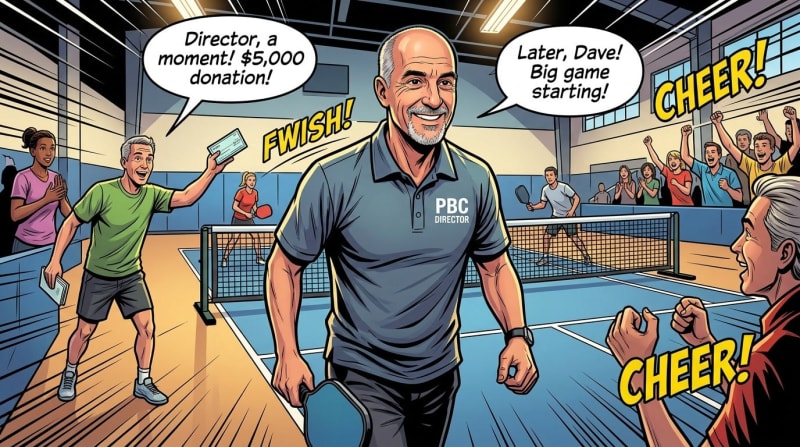
And here's the business case that should make any club director lean forward: pickleball players skew strongly toward the 35–65 age demographic — active adults with disposable income, long membership horizons, and deep social networks. That is precisely the member a premium club wants to retain for the long term. Treating that player as an afterthought isn't just a community miss. It's a financial one.
Clubs like Midtown Athletic Club have everything they need to get this right. The space. The resources. The clientele. The only real question is whether they see pickleball as a gift — a community showing up ready to belong — or as a burden they're reluctantly managing. The answer to that question will show up not in their marketing, but in their courts.
The pickleball community has never needed a fancy gym to find joy on the court. We've played in parking lots, church basements, and converted warehouses with duct tape for lines. We know how to make a game happen. But there's a real difference between making do and being welcomed — and we deserve spaces that actually want us there, not just our membership fees. If facilities like Midtown Athletic Club in Rochester are willing to look honestly at what fancy gym, borrowed courts says to the players walking through their doors, there's a genuine opportunity to build something worth belonging to. The courts are already there. The community is already there. The only thing left is the decision to truly show up for both.
Content ID: bhMiaEDyV8TtUTCr0FBQr693
See an error? Tell us.
Comments
Share with the Community