
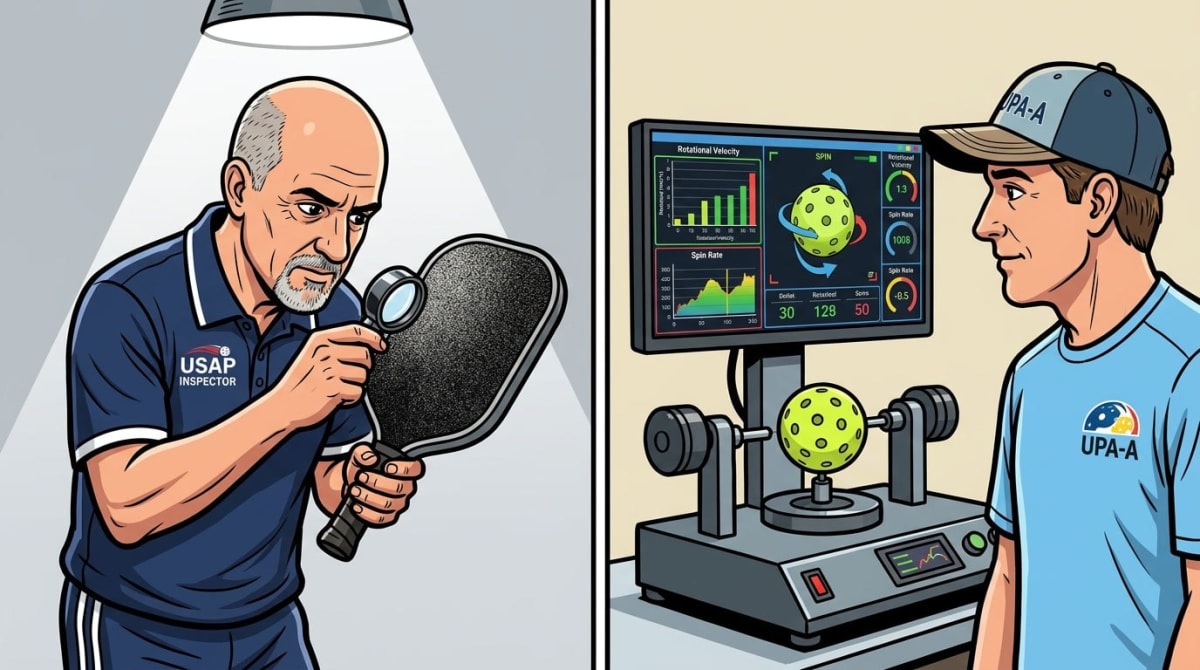
Is My Paddle Still Legal? What the New USAP Spin Test Means After October 1
The Short Version
- Starting October 1, 2026, USAP's new spin rate test measures paddle output in RPMs — a real improvement over surface roughness testing, which has always been difficult to apply consistently.
- The 2,100 RPM cap USAP is adopting matches what UPA-A has already enforced, but the two bodies still disagree on how to handle the hundreds of paddles already on the approved list.
- Every paddle already on the USAP approved list stays there permanently under the old standards — a paddle that would fail the new spin test can remain certified indefinitely under the grandfather clause.
- The OWL paddle was marketed as fully USAP-approved for over two years while carrying a provisional status USAP kept internal — the new measurement methodology doesn't fix process transparency.
- Before buying after October 1, ask three things: approved by whom, tested when, and how does this paddle perform after break-in — because 'approved' doesn't mean the same thing for every paddle on the list.
The last time I bought a paddle, I did what most players do: found the model on the USA Pickleball approved list and figured that was enough. USAP paddle certification 2026 is changing what that label means — and the change happening on October 1 is worth understanding before your next purchase, or before you assume the paddle you already own is still in the clear.
On October 1, USA Pickleball introduces a new spin rate test for paddles submitted for approval. The shift is a genuine improvement in how equipment gets regulated. But it arrives with a grandfather clause that leaves the existing approval list untouched, a parallel certification body that has already been running this kind of test, and a documented track record of process failures that an RPM cap alone won't fix. The question "is my paddle legal" has always had a simple answer. It's about to require a few follow-up questions.
Certified by Whom? How Pickleball Ended Up with Two Approval Systems
Certified by Whom? How Pickleball Ended Up with Two Approval Systems
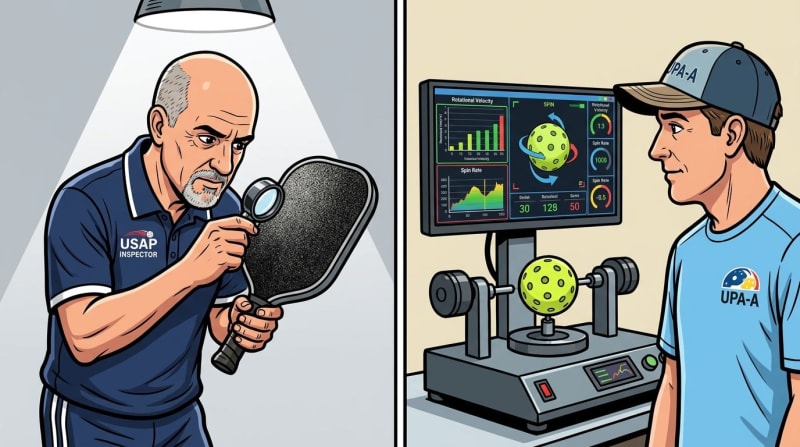
If you look at a paddle today and see a certification marking, you might see "USAP approved," "UPA-A approved," or both. Those are not the same approval, from the same body, under the same standard.
USA Pickleball is the established governing body — the organization behind the official rules, the national rankings, and the tournament structure that most players recognize. The United Pickleball Association of America (UPA-A) is a newer body that emerged with professional tour backing. Events sanctioned under PPA Tour jurisdiction use UPA-A's certification list. Events sanctioned by USAP use USAP's list. They overlap in some places and diverge in others.
For recreational players, this usually doesn't surface — most open play sessions don't check equipment at all. But if you play in sanctioned tournaments, if your club has adopted specific equipment rules, or if you're buying a paddle with an eye toward competitive play down the road, which body certified it matters. A paddle legal under USAP rules can be simultaneously illegal under UPA-A rules, and vice versa.
The deeper difference is philosophical. USAP has historically regulated what a paddle is made of — surface roughness limits, material specifications, texture rules. The approach tries to constrain spin potential at the manufacturing level. UPA-A built its certification around measuring what the paddle actually does on the ball: spin in RPMs. As The Dink Pickleball reported in July 2026, "Measuring output is the right way to regulate spin."
The 11Six24 HexGrit paddle makes that split concrete. The paddle is banned under USAP certification because of what it's made of — its surface exceeds allowed roughness specifications. The same paddle is certified legal by UPA-A because when tested against the ball, its spin output sits under 2,100 RPM. Same paddle. Opposite verdicts. Both bodies call it correctly under their own rules.
Which list governs the courts you play on? That's the first question worth knowing the answer to.
What Changes on October 1: The USAP Spin Rate Test Explained
What Changes on October 1: The USAP Spin Rate Test Explained
Starting October 1, 2026, new paddles submitted to USA Pickleball for approval will be evaluated by a different method: the test measures how much spin the paddle produces on the ball in RPMs, rather than inspecting surface roughness with a physical instrument. The cap is 2,100 RPM — the same threshold UPA-A has enforced since it launched output-based testing.
The convergence on the same number matters. It signals a genuine consensus on where the spin ceiling should sit, and it creates the possibility — for the first time — that a unified standard could exist across both bodies for new equipment going forward.
The reason output-based testing is an improvement: measuring surface roughness has always been inconsistent. The same paddle, tested by different instruments under different conditions, could produce different roughness readings. Output measurement is more objective — you spin the paddle, you read the number. It's harder to produce conflicting results on the same equipment, and harder for manufacturers to exploit gaps between what's technically permissible on paper and what actually produces extra spin on the court.
What the test still doesn't address is how paddles age. USAP tests paddles fresh — straight from manufacturing. Some paddles change character meaningfully through break-in, developing different spin properties after weeks or months of heavy play. A paddle that passes the spin test on day one might read differently after 200 hours of use. The certification is a snapshot of new equipment, not a guarantee of how it will perform throughout its life.
That limitation isn't a reason to dismiss the test. It's worth knowing it exists.
The Grandfather Clause: Why Your Old Certified Paddle Plays by Different Rules Forever
The Grandfather Clause: Why Your Old Certified Paddle Plays by Different Rules Forever
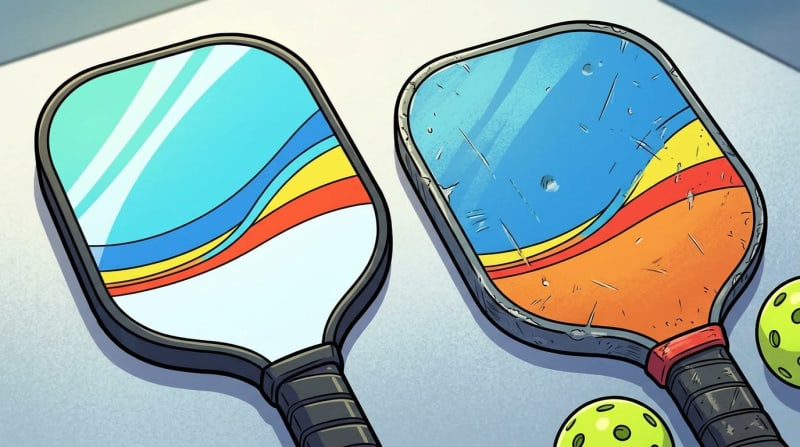
Here's the part of the October 1 change that most players won't hear about until it matters: every paddle already on the USAP approved list before that date stays on the list, permanently, under the standards it was originally certified against. Paddles already approved don't get re-tested. The spin rate cap applies to new submissions only.
"A standard that grandfathers forever isn't a standard. It's a snapshot."
— The Dink Pickleball, July 14, 2026
UPA-A takes a different approach. Under the UPA-A system, certifications expire and must be re-evaluated against current standards on a rolling cycle. If the standard changes, the paddle has to prove it still meets the new bar. There is no permanent grandfather.
The result for buyers looking at the USAP approved list on October 2: every paddle listed will fall into one of two categories — approved under the old materials standard (everything already on the list), or approved under the new spin rate standard (anything newly submitted after October 1). There is no flag on the list to tell you which is which. The list is one undifferentiated pool of "approved," even though the paddles in it were tested against meaningfully different criteria.
This isn't a hypothetical concern. A paddle that passed roughness testing under the old standard while producing spin above the new 2,100 RPM cap would, under the new standard, fail. Under the grandfather clause, it stays approved. You can buy it today with the approval sticker and never know there's a gap.
What would it mean to have an approval list where every entry reflected a consistent current standard? That's the question the grandfather clause leaves unanswered.
The OWL Paddle: What Happens When Certification Standards Are Not Applied Consistently
The OWL Paddle: What Happens When Certification Standards Are Not Applied Consistently
The grandfather clause is a structural design decision. The OWL paddle is something else: a documented example of how certification can fail at the process level, even when the standard itself is clear.
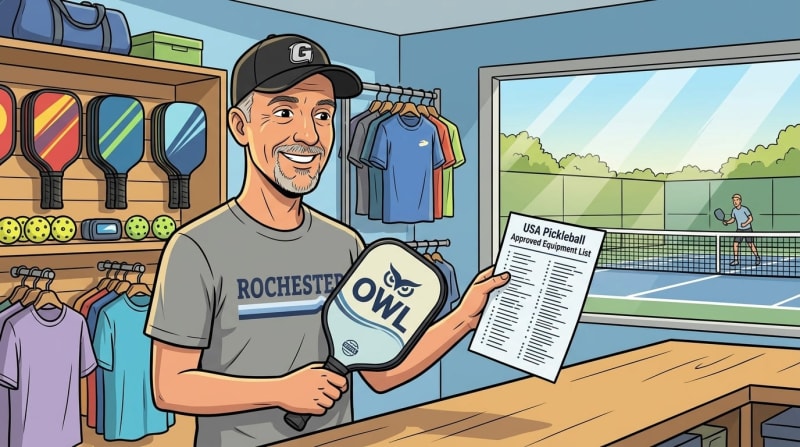
According to reporting from The Dink Pickleball, USAP waived its own roughness requirement for the OWL paddle because the paddle's surface could not be measured by their standard testing instrument. Rather than deny the application or develop an alternative measurement approach, USAP issued a provisional approval and kept that provisional status internal — for over two years — while the paddle was marketed to consumers as fully USAP-approved.
Players buying OWL paddles during that window had every reason to believe they owned compliant equipment. The paddle appeared on the approved list. The approval was real. The compliance with the stated roughness standard — the one that defines what it means to be approved — was not.
The new spin test changes what's being measured. It doesn't automatically fix how exceptions are handled, how provisional statuses get disclosed, or how long gaps between the stated standard and the actual approval process can remain invisible to the people the system is supposed to serve. Those are process problems, not measurement problems. A better measurement methodology is necessary. It isn't sufficient.
That's not a reason to dismiss certification as meaningless. It's a reason to understand what it does and doesn't guarantee — and to ask better questions when "approved" doesn't tell you the full story.
Before You Buy: Three Questions Every Paddle Shopper Should Ask After October 1
Before You Buy: Three Questions Every Paddle Shopper Should Ask After October 1
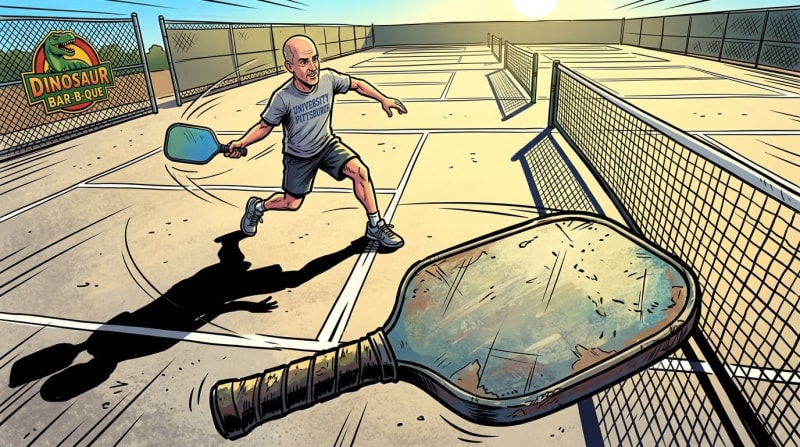
None of this is reason to stop playing or stop shopping for a paddle. The game is still the game. Most equipment on most courts is fine. But if you care about playing by the rules — in tournaments or just in your own head — three questions are worth making into a habit.
Approved by whom? USAP and UPA-A are not interchangeable lists. A paddle that appears only on the UPA-A certification list isn't automatically sanctioned for USAP-governed events, and vice versa. If you compete under both structures, or plan to, look for dual certification — and confirm both are current, not just present.
Tested when? After October 1, 2026, any newly approved paddle was tested under the spin rate methodology. Any paddle already listed was approved under the older materials standard. There's no visible marker on the USAP approved list distinguishing the two. If you want to know which era a specific paddle's certification came from, check the approval date and compare it to October 1.
How does it age? This is the question neither body has fully answered. USAP tests fresh paddles. There's real-world evidence that some models change character through break-in — surfaces wear, spin properties shift, and the paddle that passed certification may play differently six months in. If you're buying something you plan to compete with seriously, find players who've logged significant hours on the model and read what they actually report. A certification is not a performance guarantee over time.
The answer to "is my paddle still legal" is probably yes — if it was certified before October 1, the grandfather clause keeps it on the list, and most rec play doesn't check equipment at all. But the question worth sitting with now isn't just legality. It's transparency. Do you know what your paddle was actually tested against? Do you know which body's rules govern the events you play in?
The pickleball community built something unusual — a sport where you can walk onto a court with strangers and feel immediately at home. Equipment integrity is part of what makes that work. When the rules mean the same thing for everyone on the court, the game is what it's supposed to be. Asking better questions about what's in your hand is one small way to protect that. Show up informed. That gift — clarity over assumption — belongs to everyone willing to spend five minutes on it.
Content ID: Fn5Wsq1TReHz8joHzBP33RED
See an error? Tell us.
Comments
Share with the Community