
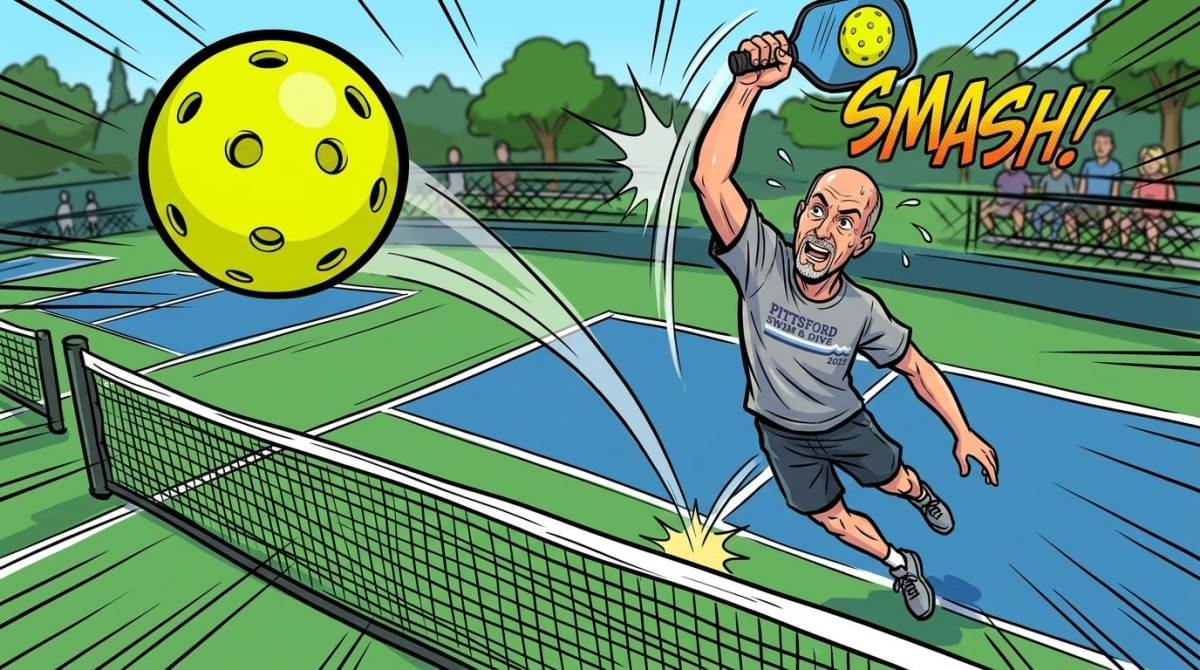
Your Third Shot Drop Isn't Failing Because of Your Swing — Here's the Real Reason
The Short Version
- Most intermediate players miss the third shot drop not because of their swing but because of where they're standing after they serve.
- Creeping forward after the serve puts your weight moving backward at contact — that's what makes the ball pop up, regardless of how clean the swing looks.
- The fix is standing 4-6 feet behind the baseline after serving, far enough that even deep returns leave room to step forward through the shot.
- When weight moves forward through contact, the paddle follows a low-to-high arc and contact stays in front of the body — the geometry that produces a soft drop.
- You can ingrain the footwork at home: stand behind an imaginary baseline and step forward through a shadow swing twenty times to build the pattern before you're back on court.
The third shot drop in pickleball fails the same way for most intermediate players: the ball floats high, the returner eats it, and the serve team never gets to the kitchen. Nearly every lesson about this shot goes straight to swing mechanics. That's the wrong diagnosis.
The Mistake You're Making Before You Even Swing
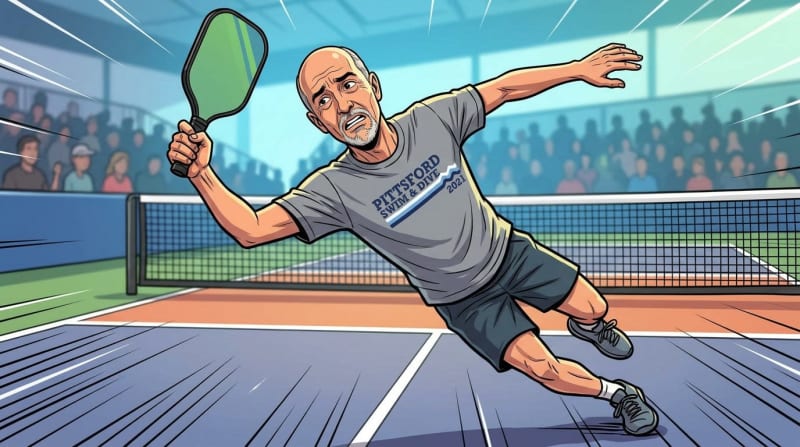
The Mistake You're Making Before You Even Swing
After you serve, something instinctual kicks in: you want to get to the kitchen. So you creep forward. Your feet start moving toward the baseline before the return is even in the air, and by the time the ball comes back, you're hitting off your back foot while your body drifts backward.
According to The Dink, the problem almost never lives in your swing — it lives in where you are standing when the ball comes back. When your weight is moving backward through contact, even a mechanically clean swing sends the ball popping up. The low-to-high arc that produces a soft drop becomes impossible when you're drifting the wrong direction.
The fix is specific: stand 4-6 feet behind the baseline after serving. That extra depth means deep returns — the hardest to handle — still give you room to step forward into the shot. You want your weight going forward at contact, not away from it. Getting your weight going forward at contact is the positional shift worth making.
What Happens When Position Is Right
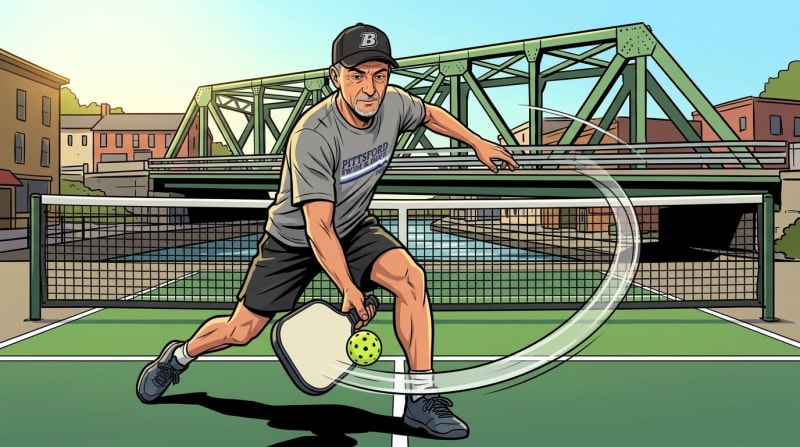
What Happens When Position Is Right
When your weight moves forward through contact, the mechanics are easier to execute. The paddle naturally follows a low-to-high arc — the same path that drops the ball over the net without extra power or wrist snap. Contact stays in front of your body. Your chest stays over the ball. Getting the feet right gives the rest of the swing its best chance.
The cue coaches reach for: step into it, not away from it. If you find yourself stepping backward or staying flat-footed as you swing, your position wasn't right. Start with feet — not grip, not backswing length, not follow-through.
Third shot drops from correct position feel softer — almost effortless, not because you swung lightly but because the geometry did the work. That feeling, once you've had it, is the calibration tool worth chasing more than any video breakdown.
How to Practice Your Third Shot Drop Off the Court
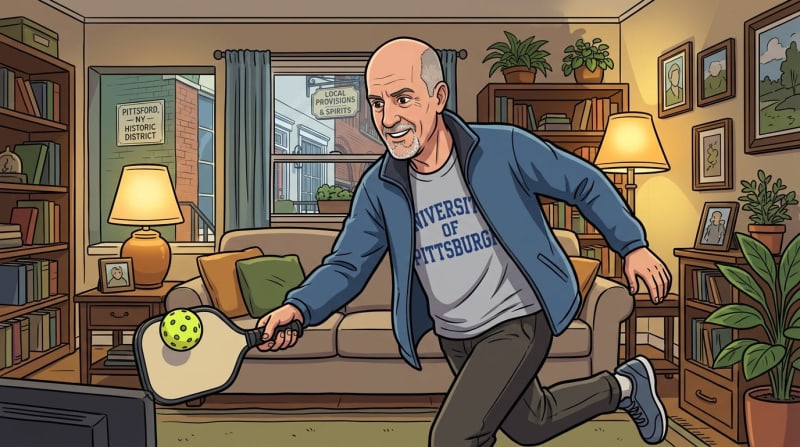
How to Practice Your Third Shot Drop Off the Court
You don't need a court to groove this. Stand in your living room, put an imaginary baseline two steps ahead of you, and practice stepping forward through a swing. Feel whether the paddle goes low-to-high through that step. Do it twenty times. The footwork pattern — start back, step through — is what you're ingraining.
On court: start with dead ball drops. Stand static, let a partner drop a ball in front of you, and focus only on the arc. Once the arc is consistent, add the approach step. Once the step is natural, run the full sequence from a live serve.
The next time your third shot pops up, don't go home and rewatch your grip video. Back up two steps past the baseline after your next serve, step forward through contact, and count how many drops stay low.
Content ID: tCKFGKEazMvIespGKE0dw4A2
See an error? Tell us.
Comments
Share with the Community