
Foam Core Paddles Are Taking Over: What the Biggest Technology Shift in Pickleball Means for Your Game
The Short Version
- Before January 2025, polypropylene honeycomb held 91.5% of the certified paddle market; by March 2026, foam-core paddles had crossed to outnumber it in new approvals — the fastest major technology flip this sport has seen.
- Average core thickness rose from 12.6mm to 15.4mm between 2021 and 2026, and paddles 16mm or thicker went from 15% of new approvals to 74%, making thick-core paddles the clear mainstream choice.
- Foam cores extend ball dwell time slightly, giving more touch on resets and dinks; honeycomb returns energy more explosively — the right choice depends entirely on which part of your game you're trying to build.
- Textured and raw carbon fiber faces grew from 27% to 62% of new approvals since 2021, driven by durability over maximum initial spin — modern surfaces are engineered to hold up across hundreds of hours of play.
- Half of the 1,214 paddle brands that have appeared on the USA Pickleball approved list since 2021 certified exactly one paddle and never returned — brand track record is now a real quality signal, not just marketing noise.
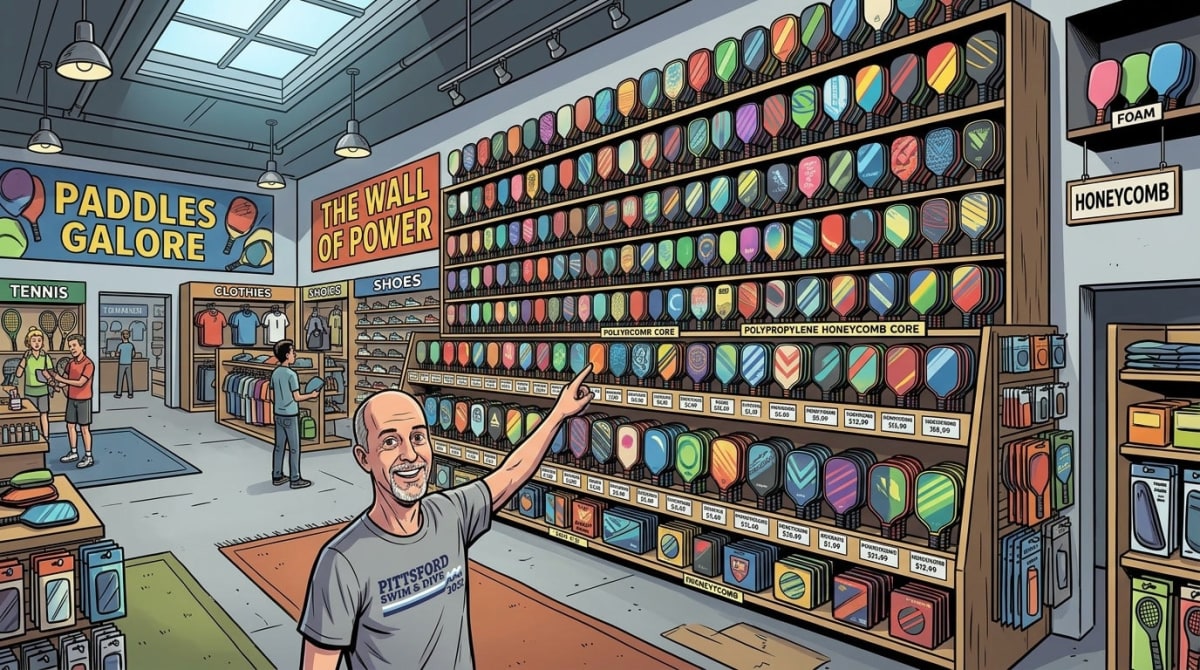
Two years ago, the paddles hanging on the wall at any sporting goods store had one thing in common beneath the surface graphics: polypropylene honeycomb cores, nearly all of them. Before January 2025, according to The Dink's analysis of the USA Pickleball approval database, 91.5% of all certified paddles used polypropylene honeycomb construction. Foam was under 2% of the market — a niche choice, barely visible in the data.
By March 2026, foam core pickleball paddles outnumbered polypropylene honeycomb in new approvals for the first time. That's not a slow drift. That's a near-complete reversal in roughly fourteen months.
If you're shopping for a paddle right now, you're standing in a fundamentally different marketplace than most of what you've read about paddle technology. Here's what actually changed, why it happened, and what it means when you decide what to buy.
The Shift Happened Faster Than Anyone Expected
The Shift Happened Faster Than Anyone Expected
The numbers are worth sitting with for a moment. Before 2025, foam cores barely registered — less than 2% of all USA Pickleball-certified paddles. Polypropylene honeycomb had been the default for so long that most paddle reviews didn't even bother to describe it. It was just what paddles were.
Here is where the market stood before this transition began:
By March 2026, that picture had inverted — foam cores crossing to outnumber polypropylene in new approvals for the first time. What drove it? A few things converging at once: manufacturers figured out how to build foam cores that passed USA Pickleball's performance standards; the supply chain for foam construction matured; and word spread quickly at the rec level that thicker, softer paddles felt easier to control at the kitchen. The market followed the players.
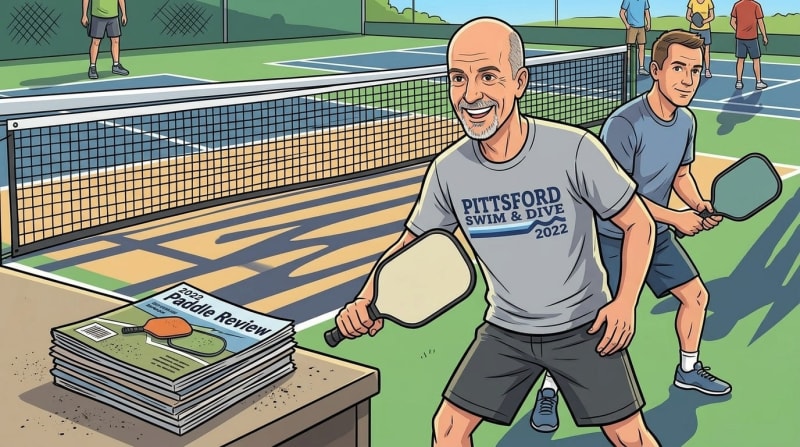
What this means practically: if you're using a paddle review from 2022 or 2023 to guide your next purchase, you're reading about a mostly different product category.
Why Paddles Are Getting Thicker — and What Thickness Actually Changes
Why Paddles Are Getting Thicker — and What Thickness Actually Changes
The foam transition didn't happen in isolation. Running alongside it has been a significant shift in how thick paddle cores are getting.
According to the same analysis of the USA Pickleball certification database, average core thickness rose from 12.6mm in 2021 to 15.4mm in 2026 — nearly 3mm of additional material. The most striking number: paddles 16mm or thicker went from 15% of new approvals to 74%.
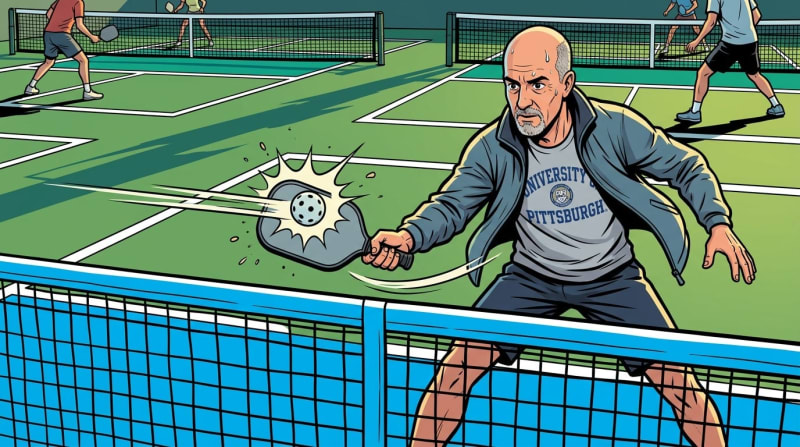
Why does thickness matter so much? It comes down to what happens at the kitchen line. A thicker core has more material to absorb incoming pace — when a hard drive comes at you and you're trying to reset it softly, a 16mm core dampens that energy differently than a 12mm core. The ball doesn't bounce back as aggressively. You get more margin for error.
"the market has come to equate thicker cores with increased control"
— The Dink, June 30, 2026
That's exactly right — and it reflects something meaningful about where the game has gone at the rec level. The community has collectively decided that the soft game matters. dinking, resetting, taking pace off the ball — these skills separate players who plateau from players who keep improving. The paddle manufacturers followed.
There's a gift in this shift for newer players: paddles are now being designed for the style of play that wins rallies at the kitchen, not just for the power that feels satisfying on one big drive.
Foam vs. Honeycomb: What the Difference Actually Feels Like
Foam vs. Honeycomb: What the Difference Actually Feels Like
The data tells you what happened. What it doesn't tell you is what it feels like to hold a foam core paddle compared to a polypropylene honeycomb one.
Polypropylene honeycomb has what paddle designers call a "defined wall" — the hexagonal cells compress to a point and then push back with a consistent, familiar pop. If you've been playing for more than a season, you know this feel. It's responsive in a way that's almost mechanical: put energy in, get energy back. Predictable and reliable, and still excellent for players whose game depends on generating pace.
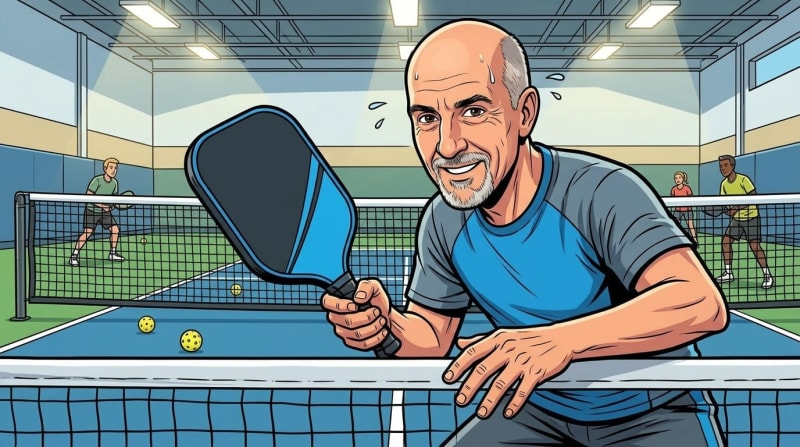
Foam cores work differently. The ball dwells on the face slightly longer — there's a fraction more contact time before the ball leaves the surface. For players working on their touch game, that extra moment matters. Resets feel more forgiving. Dinks feel softer. The tradeoff is giving up some of the explosive pop on drives. Foam isn't engineered for power — it's engineered for feel.
Neither construction is universally better. If your game runs on speed-up attacks and overhead drives, you may genuinely prefer the response of a honeycomb paddle. If you're building your soft game — which for most rec players improving past 3.5 is where the real work happens — a foam core paddle may accelerate that development in ways honeycomb doesn't.
What part of your game are you trying to build right now? That question points you toward the right core construction more directly than any spec sheet.
The Spin Surface Race Running Alongside the Core War
The Spin Surface Race Running Alongside the Core War
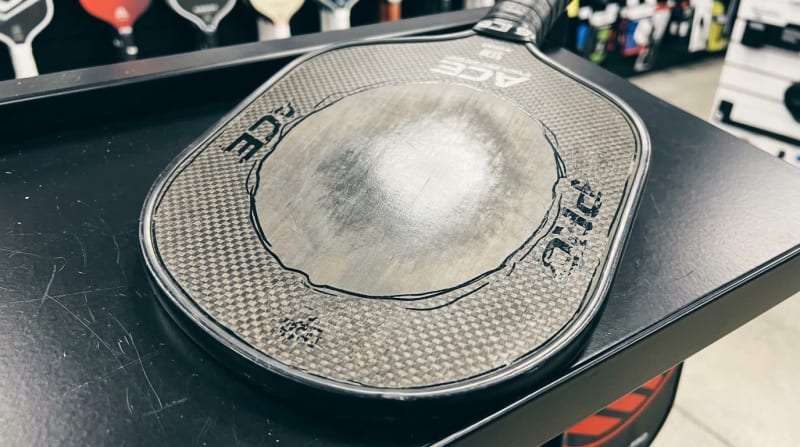
While core technology has been shifting, the face of the paddle has been changing just as fast. Textured carbon fiber and raw carbon fiber surfaces grew from 27% of new approvals in 2021 to 62% by 2026, according to The Dink's certification analysis. Printed and spray-on surfaces are in steep decline.
The reason for this shift isn't maximum initial spin — it's durability. Early-generation rough surfaces could bite the ball aggressively right out of the box, but wore down quickly. A paddle that grips fiercely for thirty hours and then fades doesn't serve you well through a year of regular play. Modern textured carbon fiber faces are engineered to hold their surface characteristics across hundreds of hours of use — that's the durability rec players actually benefit from.
When evaluating a paddle, this matters practically. Look for how the manufacturer describes the face. "Textured carbon fiber" or "raw carbon fiber" refers to the actual weave and surface treatment of the material itself. "Spin-friendly coating" or "rough surface" without further specification often signals a spray-on treatment that will wear. If a product page doesn't tell you specifically what the face material is, that gap is worth noting before you buy.
When you pick up a paddle at a shop or demo event, do you actually know what the face is made of — and whether it will still feel that way a year from now?
What to Actually Look For When You Buy Your Next Paddle
What to Actually Look For When You Buy Your Next Paddle
The market has changed enough that older buying heuristics — weight, shape, grip size — aren't sufficient on their own. Here's the updated short list.
Start with core type and thickness. Ask directly whether the core is foam or polypropylene, and check the millimeters. Fifteen and up is now mainstream; 16mm is where most new control-oriented paddles land. If you're replacing a paddle from 2022 or earlier, you're almost certainly stepping up in thickness, and you'll feel the difference at the kitchen line almost immediately.
Next, look at face material specifically. "Textured carbon fiber" or "raw carbon fiber" refers to the actual weave and surface treatment of the material. "High-friction surface" without further specification often means a spray-on treatment that will degrade. If a product page doesn't explain what the face is made of, that gap is worth noting before you commit.
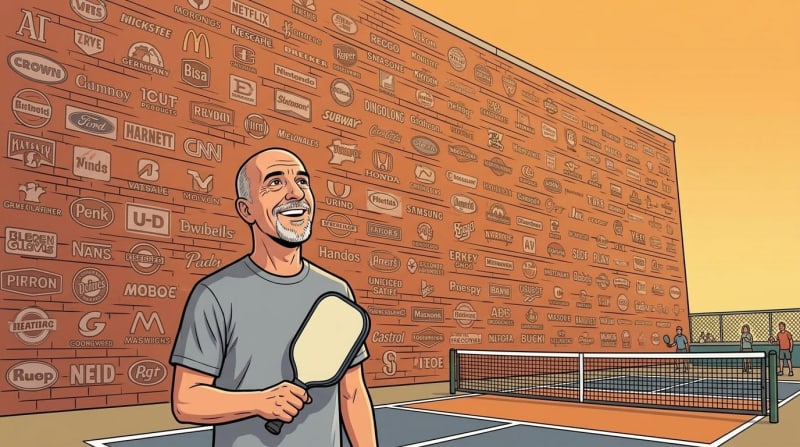
Then check brand track record — and this matters more than it used to. Of the 1,214 distinct brands that have appeared on the USA Pickleball approved list since 2021, 611 certified exactly one paddle and disappeared from the list entirely.
Half the brands that ever entered this market didn't come back for a second submission. That's a meaningful signal when you're deciding whether to spend $150 on a paddle from an unfamiliar name. Established brands — ones with multi-year track records, that update their lines rather than abandoning them, that have real customer service infrastructure — are a better bet when something goes wrong.
The technology inside paddles right now is genuinely better than it's ever been. And as the market consolidates, the noise is clearing. The paddles worth your time are increasingly straightforward to identify: foam core, 15–16mm, textured carbon face, from a brand that was around last year and will be around next year.
What kind of player are you building yourself into? Your next paddle is a bet on that answer. The field has never been clearer to read.
Content ID: ooCIxAe9WndvLNQF8TSX1NVX
See an error? Tell us.

Comments
Share with the Community