The Best Pickleball Wall Drills: How to Actually Get Better Between Court Sessions
The Short Version
- Wall practice gives you repetition quality no partner drill can match — the ball returns with exactly the pace you gave it, with no waiting and no mercy.
- The short hop requires presetting the wrist before the arm drives through — most rec players skip this mechanic and mishit the shot every time they're late.
- Four drills cover the full match-play spectrum: dink alternation, speed-up/counter/reset, third shot drop simulation, and short hop training.
- The topspin lob drill is entirely about disguise — if the shot telegraphs differently from your dink before contact, you're practicing a tell instead of a weapon.
- Fifteen seconds of close-range high-speed volleys is harder than most full games and builds the reflex speed that hands battles require.
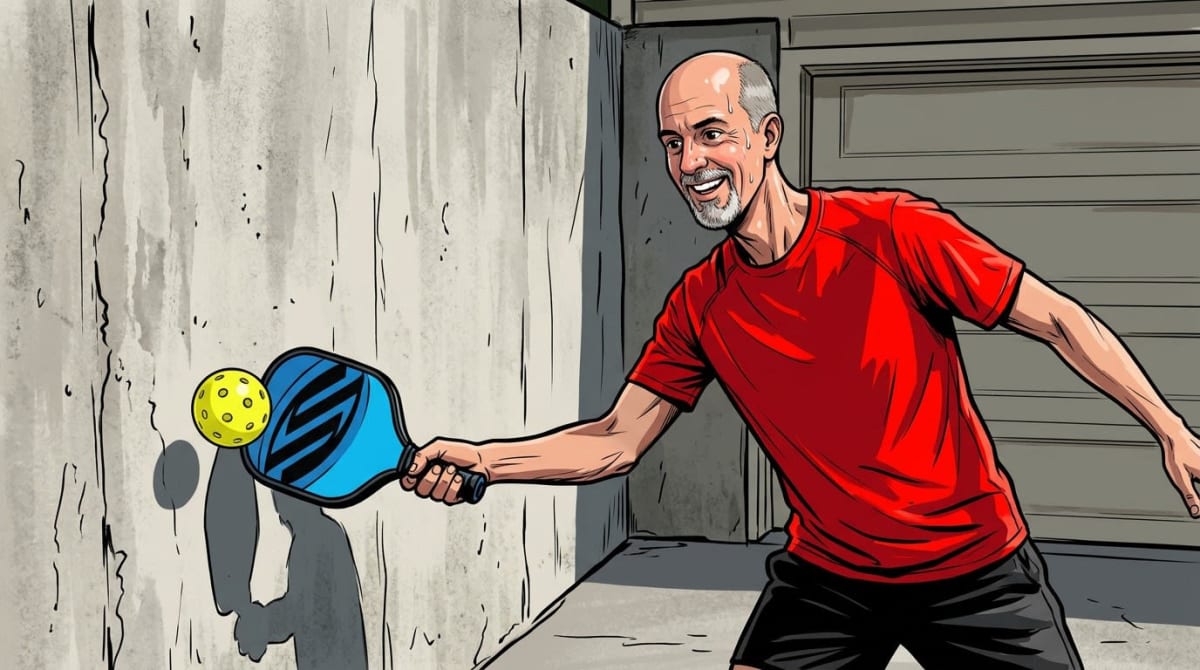
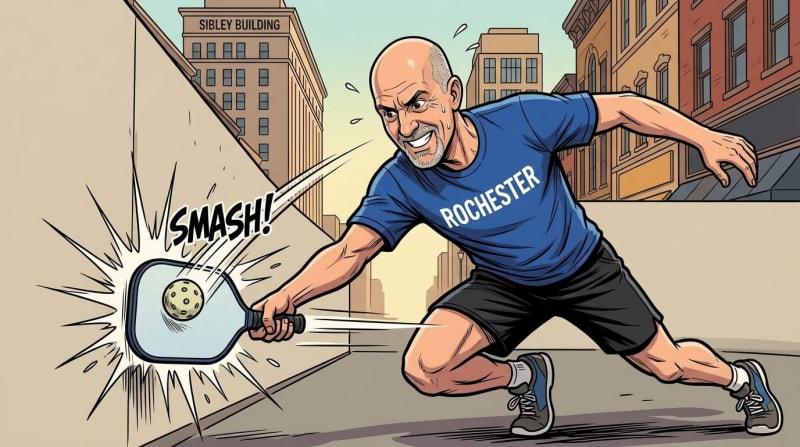
I spent thirty minutes at a garage wall last Tuesday and played better that evening than I had in weeks. Pickleball wall drills are not a consolation prize for when you can't find a partner — they are a specific kind of practice that a partner session almost never gives you.
Why a Wall Is the Best Training Partner You Will Ever Have
Why a Wall Is the Best Training Partner You Will Ever Have
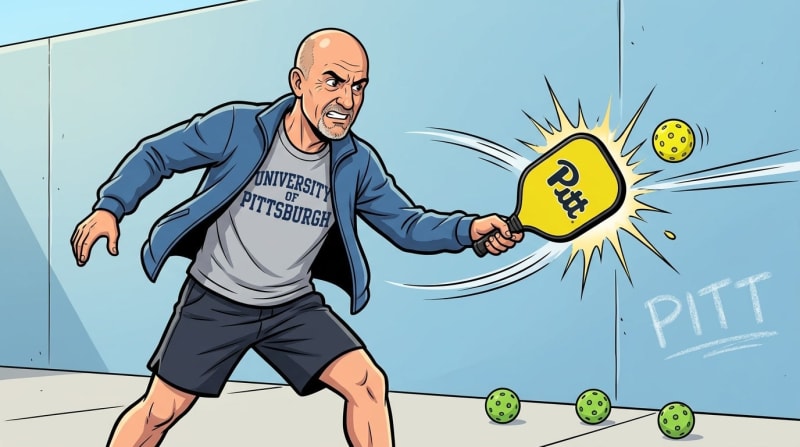
The wall returns exactly what you send it. Hit soft, get soft back. Hit hard, get hard back. The Dink puts it plainly: the wall never misses, never goes easy, and is available any time you are. There is no conversation, no waiting, no adjustment for a partner's erratic shot. Just you, the paddle, and immediate feedback on contact.
To get started, you need a flat wall, a handful of balls, and 15 focused minutes. The surface matters — a rough or irregular wall creates unpredictable bounces that teach the wrong muscle memory.
Four Wall Drills That Transfer Directly to Match Play
Four Wall Drills That Transfer Directly to Match Play
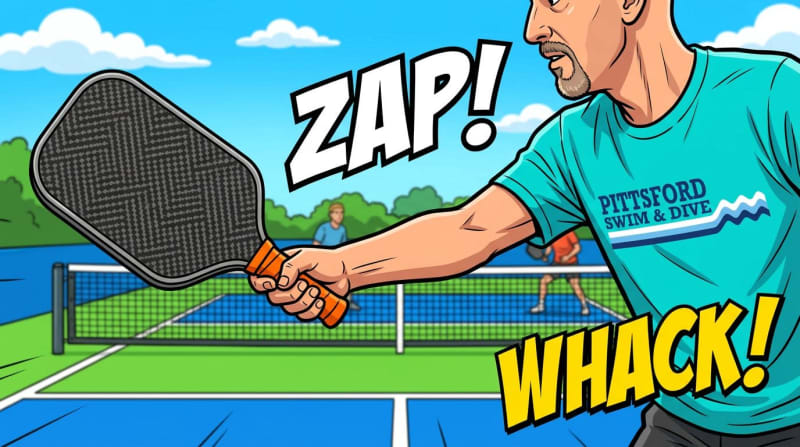
Start with simple dink alternation: hit a forehand dink at kitchen height, let it bounce, hit a backhand dink, repeat. The target is the center of the paddle face on every touch. This is the foundation of every kitchen exchange — and it exposes paddle-face inconsistency faster than any partner drill.
The speed-up, counter, reset combination builds the three-shot pattern that wins kitchen battles. Drive the ball with topspin, respond to the return that comes back faster, then drop a reset that lands softly. Cycle through this until the reset feels automatic after a speed-up, not like a separate decision.
third shot drop simulation uses the wall differently: treat wall drops as dinks with slightly increased pace. The wall forces you to produce the same soft-landing feel under pressure because a ball that arrives too hard doesn't give you time to think.
The short hop drill is the one most rec players skip. DUPR's pro tip breakdown identifies the key mechanic: preset your wrist angle before swinging, then drive through with the arm. Most players try to adjust both simultaneously and mishit. The short hop is most useful when you are late, reaching, or out of position — exactly the moments when a clean volley isn't available. The wall puts you in that situation repeatedly because the ball comes back fast.
The Advanced Patterns That Separate Good Players From Great Ones
The Advanced Patterns That Separate Good Players From Great Ones
The topspin lob at the wall is not about height — it is about disguise. According to The Dink's wall drill guide, the drill only works if the lob looks identical to a dink until the last moment. If you are telegraphing it by opening your paddle face early, the drill is teaching you a tell, not a weapon. Keep the swing path identical to your dink until contact, then accelerate through the ball.
Inside-out forehand and backhand work develops placement. The goal is to redirect the return crosscourt with a deceptive paddle angle — same contact point, different face orientation. This is the shot that opponents cannot read until the ball has already passed them.
Close-range high-speed volleys simulate hands battles at full intensity. Step closer to the wall than you normally would and volley continuously at maximum pace. This builds reflex speed that no other drill replicates. Fifteen seconds of this at a stretch is harder than most full games.
Open play runs most days. The wall runs every day.
Content ID: koFbR7vcg4deypevUzzlKGHv
See an error? Tell us.
Comments
Share with the Community